From Steel to Solar: Carbon Goals Shaping Crane Design
menu_open
Content Quick Link
Check how carbon reduction targets are driving energy-efficient, automated crane designs for steel mills and solar factories, boosting performance and sustainability.
Introduction: Global Carbon Goals and Industrial Cranes
Industrial operations around the world are feeling the pressure from carbon reduction targets. China aims to reach its carbon peak by 2030 and achieve carbon neutrality by 2060. The EU and the US have also introduced strict emissions regulations for heavy industries. For energy-intensive sectors like steel production and solar manufacturing, this is more than a policy—it's a call to rethink how equipment is designed and used.
Global Carbon Goals Are Changing Industry
- Carbon targets directly affect energy consumption in industrial plants.
- Heavy industries must adopt equipment that lowers electricity use.
- Steel mills and solar factories face different operational demands but share the same goal: efficiency and lower emissions.
Why Cranes Matter in Steel and Solar Sectors
Cranes are central to industrial workflows but often overlooked in carbon discussions.
- Steel Mills: Cranes handle extremely heavy loads such as slabs, billets, and coils. Traditional cranes consume a lot of energy, and inefficiencies can significantly raise a plant's carbon footprint.
- Solar Factories: Cranes move lightweight but delicate photovoltaic panels, glass sheets, and components. Precision and careful handling are critical, but energy efficiency is just as important.
Even though these sectors differ in weight and handling needs, both require cranes that are reliable, efficient, and compatible with modern sustainability goals.
The Purpose of This Discussion
Carbon reduction is not only a regulatory requirement—it's also influencing crane design and industrial planning. Manufacturers are now producing cranes that:
- Reduce electricity consumption with energy-efficient motors and regenerative systems.
- Adapt to different load types, from heavy steel slabs to fragile solar panels.
- Integrate with renewable energy systems, such as solar-powered plants.
- Offer automation and smart controls to optimize operations and reduce idle energy.
For buyers in steel and solar industries, understanding how carbon goals influence crane design is essential for selecting the right equipment. Choosing the correct crane now can save energy, reduce costs, and prepare plants for stricter future regulations.
Industrial Pressure from Carbon Policies
Industrial policies targeting carbon reduction are reshaping equipment requirements in steel mills and solar manufacturing. Energy efficiency is now a top priority.
China's Carbon Targets and Industrial Impact
China has set ambitious goals to reach its carbon peak by 2030 and achieve carbon neutrality by 2060. These targets have a direct impact on energy-intensive industries such as steel production and renewable energy manufacturing.
- Steel Mills: High electricity and fuel consumption in steelmaking make carbon reduction a critical challenge. Plants are now under pressure to upgrade equipment and optimize processes.
- Solar Manufacturing: While solar panel production is less energy-intensive than steel, factories are still required to operate efficiently and reduce indirect carbon emissions.
The result is a growing demand for industrial equipment that minimizes energy consumption while maintaining productivity.
EU and US Emission Regulations
In Europe and North America, governments are enforcing strict industrial emission standards. These regulations aim to reduce greenhouse gas emissions from heavy industry and promote sustainable manufacturing.
- EU directives encourage energy audits, the use of low-emission machinery, and integration with renewable energy.
- US policies offer incentives for industrial energy efficiency and carbon reduction projects.
- Both regions are pushing industries to adopt cleaner, smarter machinery—including cranes used in steel mills and solar factories.
Companies failing to comply face higher energy costs, fines, or restrictions on production.
Driving Investment in Low-Carbon, Energy-Efficient Cranes
Carbon policies are not just regulatory; they are shaping investment decisions. Industrial buyers now prioritize cranes that deliver both performance and energy efficiency.
- Energy-Efficient Motors: Reduce electricity use for heavy and light-duty operations.
- Regenerative Systems: Recover energy from hoist and trolley movements.
- Automation & Smart Controls: Optimize travel paths, speed, and idle time to save energy.
- Renewable Integration: Cranes compatible with solar or other clean energy sources are increasingly sought after.
For steel mills and solar factories, investing in low-carbon cranes means meeting regulatory requirements, reducing operational costs, and preparing for stricter environmental standards in the future.
Challenges of Traditional Cranes in Steel and Solar Industries
Traditional cranes often fail to meet modern efficiency and precision demands in steel mills and solar factories, increasing energy costs and operational challenges.
Steel Mills: Heavy Loads and Energy Demands
Cranes in steel mills are tasked with lifting extremely heavy materials like slabs, billets, and coils. These operations are not only demanding but also continuous, with multiple cycles each day. Traditional cranes often struggle to meet modern energy efficiency standards.
- High-Energy Consumption: Older motors and hoists consume significant electricity during lifting and trolley travel.
- Frequent Operation Cycles: Continuous movement of heavy loads magnifies energy costs and wear on crane components.
- Limited Efficiency: Traditional designs often lack regenerative systems or optimized controls to recover energy during lowering or stopping.
Inefficient cranes in steel mills not only increase energy bills but also add to the plant's carbon footprint, making it harder to comply with carbon reduction policies.
Solar Factories: Precision and Flexibility
Unlike steel mills, solar panel production involves lighter, more delicate loads. Cranes must operate with precision and care, often in clean-room or semi-clean environments.
- Precision Lifting: Panels and glass sheets require exact positioning to avoid damage.
- Lightweight Loads: Even though the materials are lighter, handling efficiency is crucial to maintain production speed.
- Operational Flexibility: Cranes must adapt to different assembly lines and workflow changes without consuming excess energy.
Traditional crane systems in solar factories often lack the fine control, smooth movement, and energy efficiency needed for modern PV module production.
Common Inefficiencies Across Both Sectors
Whether handling heavy slabs or delicate panels, traditional cranes face environmental and operational limitations:
- Outdated Motors: Consume more electricity and generate more heat than modern energy-efficient alternatives.
- Non-Optimized Hoists: Hoists may move at fixed speeds or with excessive acceleration, wasting energy.
- Idle Energy Use: Cranes left running or on standby draw unnecessary power, increasing operational costs.
These challenges highlight why steel mills and solar factories are increasingly seeking cranes designed specifically to balance load requirements, precision, and energy efficiency.
The Shift in Crane Design
Modern crane design in steel mills and solar factories focuses on energy efficiency, structural innovation, electrification, and digitalization to meet carbon reduction goals and operational demands.
Energy Efficiency and Power Optimization
Cranes are no longer just about lifting heavy loads—they are becoming energy-conscious machines. In both steel mills and solar factories, energy efficiency is now a critical design factor.
- High-Efficiency Motors: Modern cranes use motors optimized for heavy-duty lifting in steel mills and precise movements in solar panel assembly lines. These motors consume less electricity while maintaining performance.
- Regenerative Braking Systems: When cranes lower a load or decelerate, energy is captured and fed back into the system, reducing overall power consumption.
- Load-Sensing Controls: Advanced sensors detect the actual weight of the load and adjust motor output accordingly, preventing wasted energy from overpowered lifting.
This combination of technologies ensures that industrial operations can save on electricity costs while reducing carbon emissions.
Material Innovation and Structural Adaptation
The materials and structure of cranes are also evolving to meet sector-specific needs.
- Lightweight but Strong Materials: For solar factories, cranes are often made with high-strength steel or composite materials that are lighter but durable, allowing smooth handling of fragile panels.
- Modular and Adaptable Structures: Steel mill cranes need to handle varying heavy loads. Modular designs allow for flexibility in span, lifting height, and load capacity, while also simplifying maintenance and future upgrades.
These innovations make cranes more versatile, easier to operate, and more compatible with modern industrial workflows.
Electrification and Renewable Integration
Electrification is central to reducing industrial carbon emissions.
- Electric Cranes for Solar Factories: Cranes powered by clean electricity, sometimes from onsite solar generation, lower the overall carbon footprint of the production line.
- Hybrid Energy Solutions for Steel Mills: In heavy-duty environments, hybrid cranes combine grid electricity with energy-saving systems, reducing reliance on fossil fuels and stabilizing energy costs.
By integrating renewable energy, cranes are becoming a part of the plant's overall sustainability strategy.
Digitalization and Automation
Smart technology is transforming how cranes operate, improving efficiency while lowering energy use.
- IoT-Enabled Cranes: Sensors provide real-time monitoring for predictive maintenance, helping avoid unexpected downtime and optimizing energy consumption.
- Smart Path Planning and Speed Control: Automated systems calculate the most efficient movement paths, reducing travel time and idle energy use.
- Remote Monitoring and Operation: Large steel yards and solar production lines benefit from remote operation capabilities, reducing the need for on-site operators and improving safety while saving energy.
The integration of digital and automated systems ensures cranes are not only stronger and faster but also smarter and more sustainable.
Case Studies
Steel Mill Example: Energy-Efficient Double Girder EOT Crane
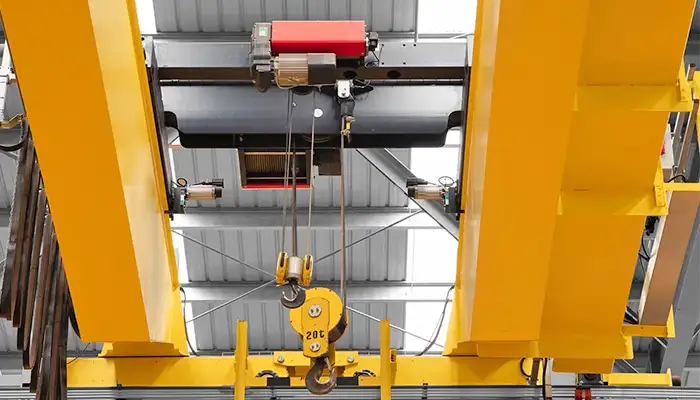
In a large steel mill, traditional cranes were consuming significant electricity while handling heavy slabs and billets. By retrofitting a double girder EOT crane with high-efficiency motors and regenerative braking systems, the plant achieved measurable energy savings.
- Energy Reduction: Regenerative braking recaptured energy during load lowering, cutting power use by up to 15%.
- Improved Load Handling: Load-sensing controls adjusted motor output according to actual weight, reducing wear and preventing unnecessary energy use.
- Operational Impact: Continuous heavy-duty operations became smoother and safer, while the plant reduced its carbon footprint.
This example shows how even existing equipment in steel mills can be upgraded to meet modern energy and carbon goals.
Solar Factory Example: Electric Overhead Crane Powered by Onsite Solar
A photovoltaic panel assembly plant faced challenges with precision lifting and energy efficiency. Installing an electric overhead crane powered partly by onsite solar energy addressed both concerns.
- Renewable Integration: Solar panels on the factory roof supplied a portion of the crane's electricity, lowering grid dependency.
- Precision Handling: Lightweight materials and smooth motor control allowed delicate panels to be moved without risk of damage.
- Efficiency Gains: Automated speed control and idle energy management reduced unnecessary power consumption during shifts.
For solar manufacturers, integrating cranes with renewable energy not only supports sustainability but also reduces operational costs.
Mixed Facility Example: Smart Cranes Across Steel and Solar Operations
In a facility handling both steel processing and solar module assembly, the adoption of smart, IoT-enabled cranes improved workflow efficiency and energy usage.
- Automation and Monitoring: Remote operation and predictive maintenance reduced downtime and optimized energy consumption.
- Flexible Load Handling: Cranes adjusted automatically to different loads, from heavy steel to delicate solar panels, without requiring multiple systems.
- Carbon Impact: Energy-efficient design and smart scheduling helped the plant meet regulatory carbon targets while maintaining high productivity.
This case demonstrates that advanced crane technology can serve multiple industrial needs, creating energy savings and workflow improvements across diverse operations.
Benefits of New Crane Designs for Buyers
Modern crane designs deliver energy efficiency, regulatory compliance, enhanced safety, and long-term value for steel mills and solar factories.
Lower Energy Consumption and Reduced Operating Costs
Modern cranes are designed to use energy more efficiently, which directly reduces electricity bills. In steel mills and solar factories alike, high-efficiency motors, regenerative braking, and load-sensing controls ensure that cranes only consume the energy necessary for the task.
- Steel Mills: Heavy slab and billet handling becomes less energy-intensive without compromising lifting capacity.
- Solar Factories: Precise movement of panels and components consumes minimal power, reducing operational costs.
- Overall Impact: Lower electricity usage translates to significant savings over the life of the crane.
Compliance with Carbon and Environmental Regulations
Meeting carbon reduction targets and environmental standards is no longer optional for industrial facilities. Energy-efficient cranes help buyers demonstrate compliance with national and international regulations.
- Regulatory Alignment: Cranes designed for low energy consumption and renewable integration support carbon neutrality goals.
- Industrial Incentives: Some regions offer tax breaks or incentives for equipment that reduces carbon emissions.
- Reputation Benefits: Using sustainable equipment signals environmental responsibility to clients and partners.
Enhanced Safety, Precision, and Operational Efficiency
New crane designs focus on both operational performance and worker safety. Automation, IoT-enabled monitoring, and smarter controls improve the workflow while reducing the risk of accidents.
- Safety: Advanced sensors prevent overloads and collisions.
- Precision: Smooth, controlled movements protect both heavy steel loads and delicate solar panels.
- Efficiency: Optimized travel paths, automated speed control, and predictive maintenance minimize downtime and maximize productivity.
Future-Proof Investment for Industrial Operations
Investing in modern, energy-efficient cranes ensures long-term value for steel and solar facilities. These cranes are adaptable, scalable, and ready to integrate with emerging technologies.
- Scalability: Modular designs allow upgrades and expansions without replacing the entire system.
- Technology Integration: Ready for renewable energy use, smart controls, and digital monitoring.
- Sustainability Alignment: Supports long-term goals for carbon reduction and operational efficiency.
Buyer Considerations for Steel and Solar Cranes
Practical guidance for buyers to select cranes that balance energy efficiency, load adaptability, renewable integration, and long-term reliability.
Evaluate Energy Efficiency and Load Adaptability
When selecting cranes for steel mills or solar factories, energy efficiency should be a top priority. Buyers need equipment that adapts to the specific demands of their operations.
- Steel Mills: Look for cranes with high-efficiency motors and load-sensing systems capable of handling extremely heavy slabs, billets, and coils without wasting energy.
- Solar Factories: Choose cranes that can move lightweight panels precisely while minimizing power use.
- Adaptability: Modular cranes that can handle different load types and production requirements are ideal for plants with mixed operations.
Ensure Compatibility with Renewable Power Sources
As carbon reduction policies become stricter, cranes that can integrate with renewable energy sources provide both cost and environmental benefits.
- Solar-Powered Factories: Cranes should work seamlessly with onsite solar electricity or hybrid energy systems.
- Grid Optimization: For steel plants, hybrid cranes that combine grid and energy-recovery systems help reduce reliance on fossil fuels.
- Sustainability: Renewable-ready cranes contribute to lower carbon footprints and regulatory compliance.
Plan for Maintenance and Long-Term Sustainability
Industrial cranes are long-term investments, so buyers should consider operational maintenance and sustainability from the outset.
- Predictive Maintenance: IoT-enabled monitoring reduces unexpected downtime and maintenance costs.
- Spare Parts and Service: Ensure the crane's components are easy to service and replace.
- Future Upgrades: Look for cranes that can accommodate future technology enhancements, such as automation or energy-efficient retrofits.
Choose Experienced Suppliers for Sector-Specific Solutions
Selecting the right supplier is critical for ensuring that the crane meets the unique needs of steel and solar operations.
- Proven Track Record: Suppliers should have experience delivering cranes to both heavy steel mills and precision solar factories.
- Customization Capabilities: Ability to tailor crane design to plant layout, load requirements, and energy efficiency goals.
- Technical Support: Ongoing guidance, installation assistance, and training are essential for maximizing crane performance and lifespan.
Emerging Crane Technologies and Low-Carbon Solutions
The crane industry is evolving with autonomous systems, AI-driven optimization, and low-carbon power sources. These innovations are particularly relevant for modern steel mills, solar factories, and environmentally conscious industrial operations worldwide.
Autonomous Cranes and AI-Driven Energy Optimization
Next-generation cranes are becoming smarter and more autonomous. Artificial intelligence (AI) enhances operational efficiency, energy management, and safety across heavy industrial applications.
- Steel Mills: AI-controlled cranes calculate optimal lifting paths for slabs, billets, or coils, reducing idle energy, wear on motors, and downtime.
- Solar Factories: Automated cranes adjust speed and trajectory based on load weight and position, ensuring delicate handling of solar panels while minimizing electricity use.
- Operational Efficiency: Predictive algorithms monitor crane performance, schedule preventive maintenance, and prevent energy waste, lowering operational costs.
Hydrogen-Powered and Hybrid Cranes
Reducing reliance on fossil fuels is a major objective for industrial operations. Hydrogen-powered and hybrid cranes are emerging as near-zero-carbon solutions.
- Hydrogen Cranes: Fuel cells generate electricity on-site, producing only water vapor, ideal for heavy-duty steel operations requiring clean energy.
- Hybrid Cranes: Combine grid electricity with energy recovery systems and renewable energy sources, offering flexible operation while reducing carbon footprint.
- Industrial Impact: These technologies help plants comply with carbon regulations without sacrificing performance or lifting capacity.
Global Leadership in Low-Carbon Crane Innovation
Leading crane manufacturers worldwide are developing energy-efficient, automated, and hybrid cranes.
- Chinese Manufacturers: Provide modular, energy-efficient cranes with renewable integration, optimized for steel and solar industries.
- Global Players: European and North American suppliers emphasize automation, AI controls, and hybrid power solutions to achieve carbon reduction goals.
- Buyer Advantage: Industrial buyers gain access to reliable, energy-efficient cranes compliant with modern environmental policies.
Conclusion
Carbon reduction targets are reshaping crane design across steel mills and solar factories. Buyers can no longer focus only on lifting capacity or span. Today, cranes must also:
- Save Energy: High-efficiency motors and regenerative systems reduce electricity use.
- Enhance Precision and Safety: Automation and smart controls improve handling of heavy slabs or delicate solar panels.
- Use Advanced Materials: Lightweight and modular designs increase flexibility while reducing environmental impact.
For industrial buyers, choosing the right crane now means balancing performance, sustainability, and future readiness. Steel and solar operations that adopt these modern cranes benefit from lower costs, compliance with regulations, and improved productivity.
To align industrial operations with modern energy and carbon goals, buyers should consider the following steps:
- Assess Your Operations: Review your current plant layout, crane usage, and energy consumption to identify opportunities for improvement.
- Partner with Experienced Suppliers: Select manufacturers who offer cranes tailored for steel and solar industries, with features like automation, energy efficiency, and renewable integration.
- Plan for the Future: Look for modular, upgradeable cranes that can adapt to evolving production needs and stricter carbon regulations.
- Implement Smart Technology: Consider IoT-enabled or AI-driven cranes to optimize energy use, maintenance, and workflow efficiency.
Taking these steps ensures your facility is prepared for both operational and environmental challenges, while improving efficiency and reducing energy costs.

Article by Bella ,who has been in the hoist and crane field since 2016. Bella provides overhead crane & gantry crane consultation services for clients who need a customized overhead travelling crane solution.Contact her to get free consultation.